
1. Confirm the characters before trying again
Read the original plate, sticker, or label rather than a seller's typed listing. Photograph the area in even light and enlarge the image without sharpening it so worn ink does not turn into a new letter. Compare the ambiguous character with another clear character on the same instrument.
The most useful checks are O versus 0, I versus 1, S versus 5, B versus 8, and a missing leading zero. Keep every visible letter and digit. You may remove ordinary spaces or hyphens for the local comparison, but never invent a character to make a pattern fit. If the plate is partly hidden by a neck joint or bridge, record the missing position instead of guessing.
- Compare O/0, I/1, S/5, and B/8 with the physical mark.
- Keep leading zeroes and every visible prefix letter.
- Remove only safe separators such as spaces and hyphens.
2. Match the product type to the code
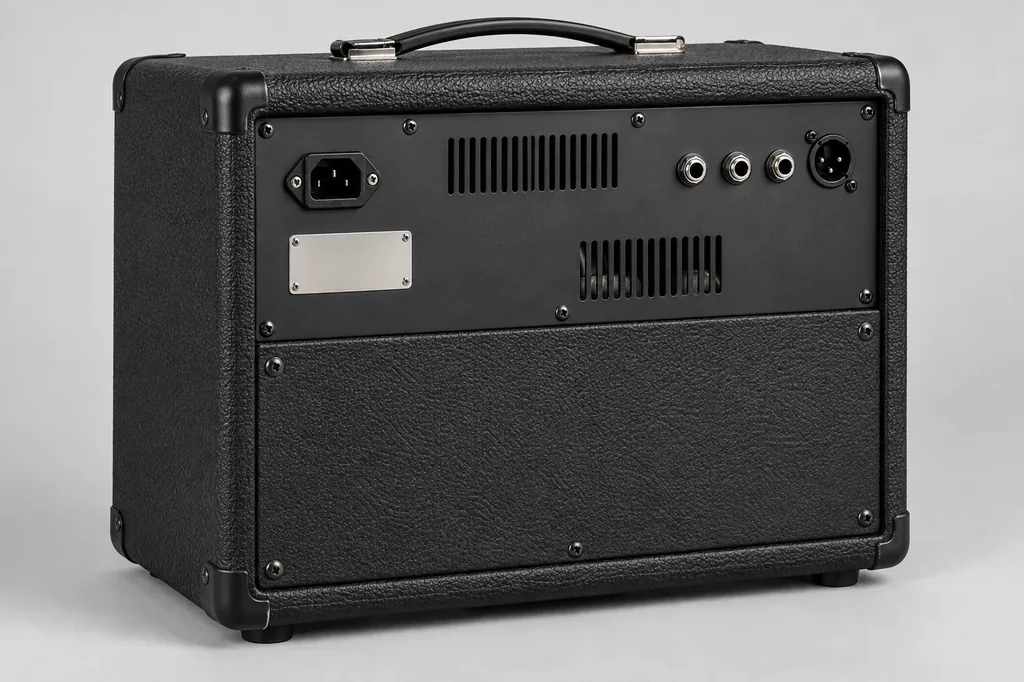
Fender guitar and bass serial families are not the same as amplifier date codes. If the number is on a QA sticker, tube chart, transformer, or rear cabinet label, select Amplifier before searching. A two-letter QA code can describe a month and year; an EIA transformer marking needs the complete manufacturer and date sequence. Those formats are not interchangeable with a guitar prefix.
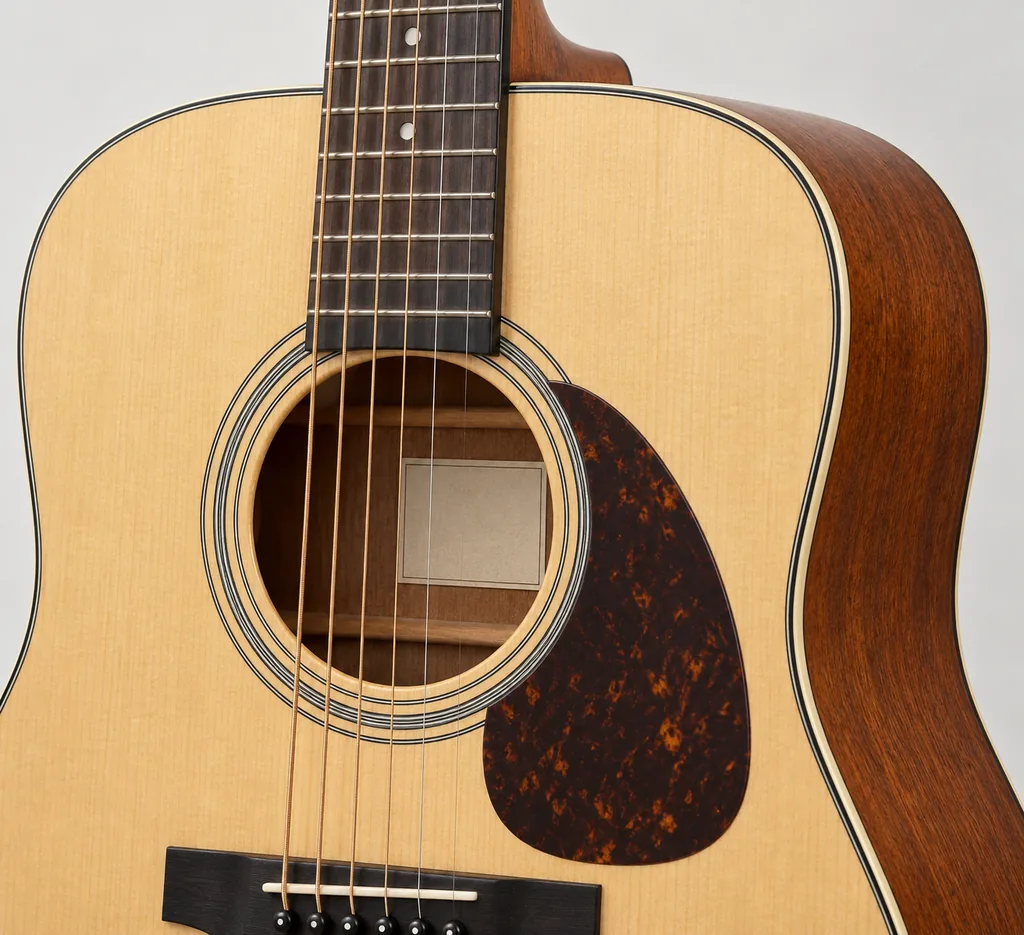
Acoustic instruments and early vintage products may use labels, neck dates, heel marks, or incomplete records. Select Acoustic or the manual-review option when the number is inside a sound hole or on a paper label. A no-match result is more useful when it tells you that serial-only dating is limited than when it assigns an unsupported year.
- Use Guitar or Bass for headstock, neck plate, bridge, or heel numbers.
- Use Amplifier for QA stickers, tube labels, and transformer codes.
- Use Acoustic or manual review for internal labels and early formats.
3. Inspect the physical serial location
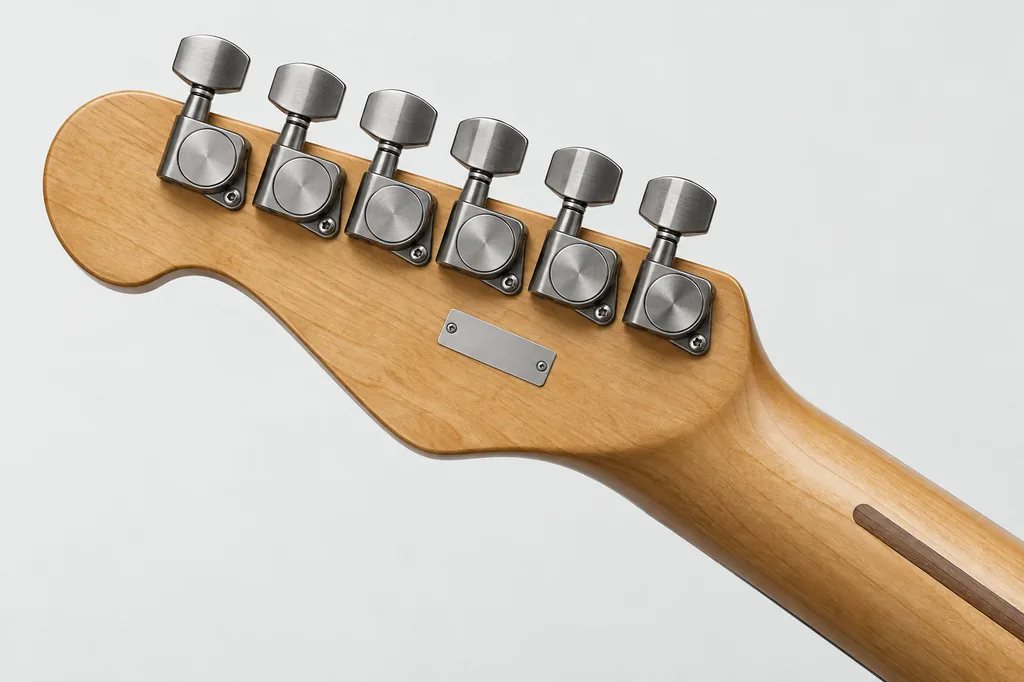
A clear serial location gives the code meaning. On an electric guitar or bass, check the front or back of the headstock, a fitted neck plate, the bridge area, the back of the neck, or the neck heel. Placement varies by model and year, and a replacement neck or plate can carry a number that does not date the complete instrument.
For an amplifier, photograph the cabinet label and the transformer marking separately. For an acoustic instrument, photograph the label and the sound-hole area without removing parts. The goal is to show the number's location and surrounding context, not just a cropped string of characters.
4. Use region and year clues without forcing a match
After the characters and product type are stable, compare the country decal with the likely region. USA, Mexico, Japan, Korea, and Indonesia families reuse letters and may cover more than one year. A prefix can be a useful starting point while still leaving several candidates.
For example, an MN or MZ prefix points toward a Mexico reference family, while JV, SQ, MIJ, CIJ, or JD suggests a Japan branch that needs the country label and model context. USA N formats can overlap with Japan N examples. A 10 transition format is a known manual-review case because the checked USA and Mexico guidance differs on suffix length.
6. When the official lookup also shows no result
The independent lookup and Fender's official lookup answer different questions. This page compares visible formats locally; the official service may have a current registration or support record that is not part of the local reference set. Open it as a second source after you have stabilized the characters and product type.
If both tools return no result, do not fill the gap with an invented year. Use Fender's support guidance for odd or non-standard serial numbering, then collect the physical evidence listed above. A repair shop, experienced vintage specialist, or the seller may have documentation that a serial table cannot provide.
- Open the official reference Use Fender's lookup and support article as a second source, not as a replacement for physical inspection.
- Collect context Save the serial location, country mark, model, neck date, photos, and seller description.
- Ask for a manual review Use a repair shop or vintage specialist when the format is rare, disputed, or tied to a replacement part.
7. What a serial number cannot prove
A matching pattern is not an authenticity certificate. It cannot prove that an instrument is genuine, that the body and neck were built together, that every component is original, that the instrument is owned legally, or that it has a particular market value. It only describes how the visible number compares with a reference set.
Serials can be copied, moved, replaced, misread, or attached to a part. Vintage ranges overlap, inventories can lag production, and official pages may describe a format differently across regions. Use the result to choose your next inspection step, then make the decision from the whole instrument and the transaction evidence.
8. A simple evidence checklist before buying or selling
Before you publish a listing or agree to a purchase, save the complete evidence set in one folder. Start with the original serial photo and a second photo that shows its location. Add the country decal, headstock logo, model label, neck date, bridge and pickup details, repair history, and the seller's wording. This prevents a plausible prefix from becoming the only fact anyone remembers.
Write the result as an estimate: 'The serial format is consistent with a Mexico MN family and the checked references show a 1998–1999 window.' Do not rewrite it as 'This is a 1998 Fender' or 'The serial proves it is genuine.' Clear wording protects buyers, sellers, repair shops, and future owners.
- Save the source image Keep a full-area photo and a close-up of the serial with the date you checked it.
- Record the estimate Write the candidate range, region, matched rule, and confidence in cautious language.
- List the open questions Note missing characters, conflicting country marks, replacement parts, and any official-source disagreement.